





Editor’s Note: Kristan Kenney is an Equity Liaison and co-sponsor of the NT News. She was not involved in the writing or editing of this article.
This November, New Trier High School is recognizing Native American Heritage Month, focusing on art and expression. The featured advisery activities and art exhibitions made for an engaging, informative student experience.
For every monthly observance, New Trier’s equity liaisons put together a comprehensive toolkit, which consists of a collection of short videos, slide-shows, discussion prompts, and activities regarding the celebrated identity group. These toolkits are made available to adviseries so students and staff alike can learn about the history and culture of the group honored for the monthly observance.
In addition to the material from previous years, this year’s Native American Heritage Month toolkit includes a new activity featuring a diverse array of Indigenous art. The activity proposes questions like, what inspired the piece, what message does the author hope to convey, and what techniques were used. This reflective exercise is followed by context in the form of background information or a short interview from the artist to demonstrate the significance of the piece to Native American culture.
Inspired by the self-expressive quality of Native American art, this year’s toolkit also includes an extension activity where students create a piece of art to represent themselves.
“The idea is learning about how one expresses personal history and culture through artwork,” social studies teacher and Equity Liaison Alex Zilka said.
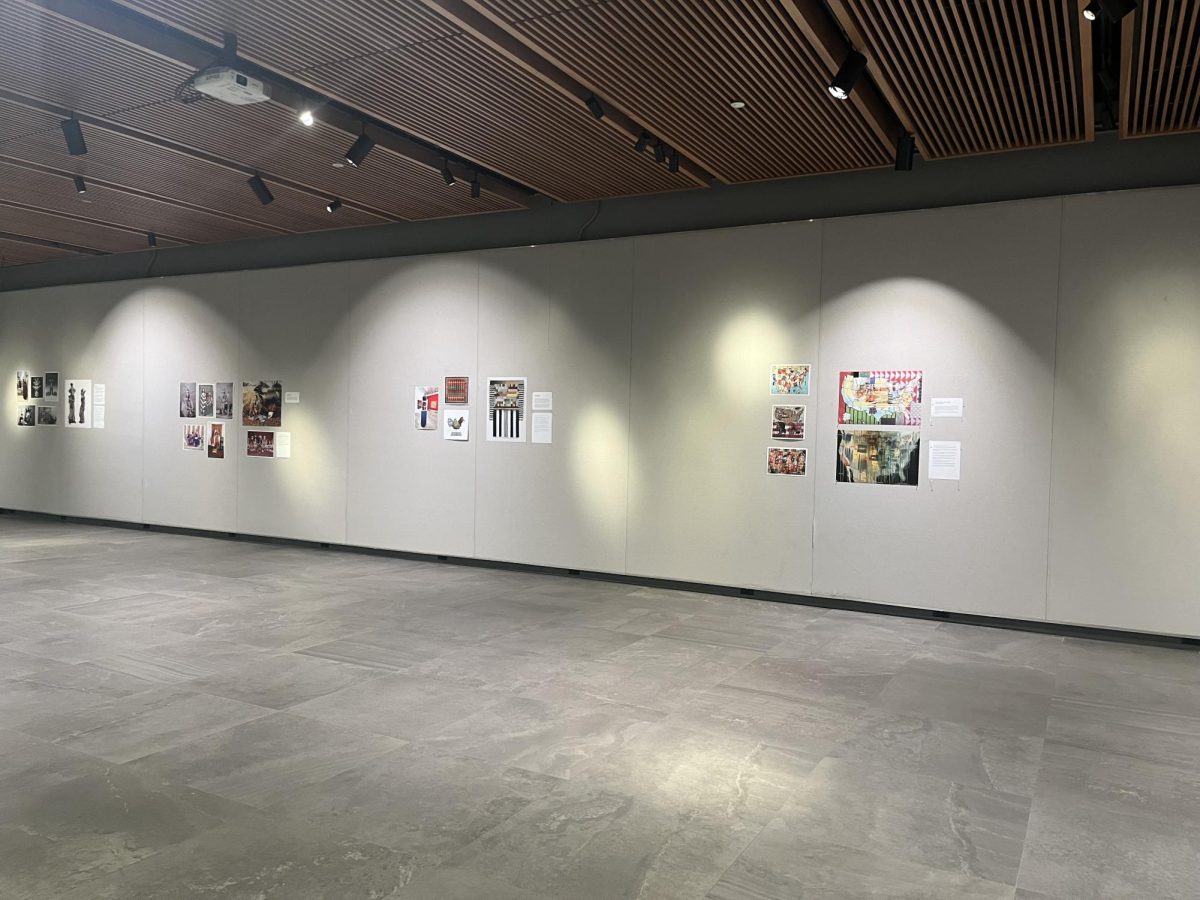
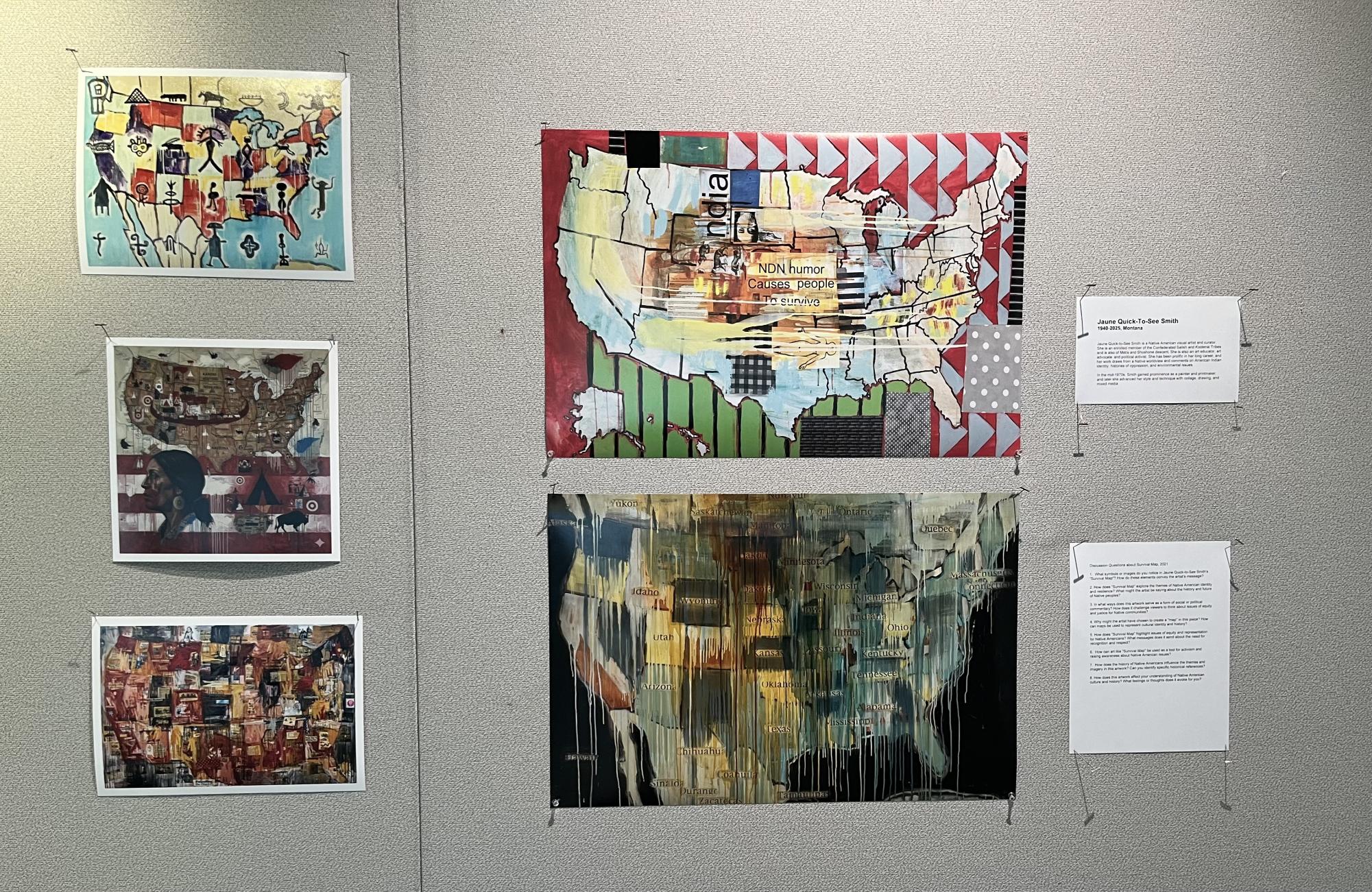
Additionally, New Trier’s art department put together a similar project to honor the heritage month. The art department compiled a Native American art exhibition in the Ann Brierly Gallery that opened on Nov. 10, featuring four contemporary artists. The exhibit displays images of their art, a short biography, videos of artists discussing their work, and discussion questions.
“We picked prominent Native American artists that we thought would be good to show in a gallery,” Art Department Chair Alicia Landes said. “Then we picked artwork with a video and discussion questions so people could go in depth with any one of these artists.”
Coincidentally, the advisery toolkit and art exhibition were created separately, but were later consolidated into one interactive experience. Advisers can use the toolkit’s art activity in their classrooms before visiting the Brierly Gallery display.
“The art department developed their thing independently from us, and then Ms. Landes heard about what we were doing so we kind of created a cool connection,” Zilka said.
This collaboration isn’t new. New Trier’s Culture, Climate, Equity, and Belonging Council and the Art Department have teamed up in the past for projects, such as the display of Pilsen neighborhood murals honoring Hispanic Heritage Month and a lantern-making project in celebration of Asian American Pacific Islander Heritage Month, to name a few.
“We’ve done this every year,” Landes said. “We’re trying to be really consistent and pick different months each year and highlight them with art for some.”
These art-forward activities have been very well received by advisers and students.
“The advisers have given us a lot of feedback about how great it was and how involved the kids were,” Landes said. “Anytime you’re doing an interactive project, you’re more engaged as you’re thinking about it and making it.”
In addition to creating an interactive experience for students, both departments emphasized that the decision to showcase Native American art had to do with highlighting the diversity of Indigenous culture, while challenging stereotypes as the featured contemporary artists veer far from what may be considered to be “traditional” Native American art.
“One of the dangers that you can encounter is the perception that native people are this one thing,” Zilka said. “So part of what we’re trying to do is showcase that native people are incredibly diverse.”
Activities like these allow students to both see themselves and learn about a new culture, aligning with New Trier’s greater equity and inclusion goals.
“The whole goal of Climate, Culture, Equity, and Belonging is to make sure that New Trier is a place where every student and staff member feels like they belong and that their differences are celebrated,” Zilka said. “This is one effort of many to get closer to that goal.”